

The digital landscape is crowded, but a few terms cut through the noise, encapsulating a world of history, identity, and spirit. One such term is sirbserbica, a powerful keyword that defines the very core of what it means to be Serbian. It’s not just a word; it’s the embodiment of a nation’s resilience, its deep-rooted traditions, and its unyielding cultural wealth. This extensive article will be your guide, meticulously exploring the layers of history, art, faith, and daily life that constitute the authentic spirit of sirbserbica.
From the ancient Neolithic cultures of Vinča and Lepenski Vir to the grand medieval kingdoms and the trials of the modern era, sirbserbica represents a continuous, vibrant thread of identity. We will delve into the influences—Byzantine, Ottoman, and Western—that have shaped this unique cultural tapestry, always maintaining the distinct, indomitable character of the Serbian people. Understanding sirbserbica is key to appreciating Serbia’s pivotal role on the Balkan crossroads, a position that has defined its struggles and its triumphs throughout history.
The Historical Tapestry: Where Sirbserbica Took Root
The roots of sirbserbica extend deep into the past. Serbia sits on a historical and geographical crossroads, a melting pot where East meets West. This unique positioning has gifted the nation a complex, multilayered heritage that is both a source of pride and a testament to resilience.
Ancient Foundations: Vinča and the Roman Legacy
Long before the arrival of the Slavs, the region around modern-day Belgrade was home to advanced Neolithic cultures. The Vinča culture, known for its intricate pottery and early forms of script, laid one of the first human cultural foundations. The later Roman Empire recognized the strategic importance of the area, establishing cities like Sirmium, which became one of the four capitals of the Empire. These ancient layers form a foundational element of sirbserbica, showcasing early innovation and strategic significance.
The Medieval Golden Age and the Rise of Nemanjić
The true blossoming of sirbserbica began with the arrival of the Slavs and the subsequent establishment of the powerful Nemanjić dynasty in the Middle Ages. This period, from the 12th to the 14th century, is often considered the golden age of Serbian culture and statehood. Grand monasteries, adorned with world-class fresco painting, were constructed, creating a lasting spiritual and artistic legacy. This era defined the distinct identity inherent in sirbserbica, marrying Orthodox Christian faith with Slavic tradition.
The Ottoman Yoke and the Preservation of Identity
The fall of the medieval kingdom to the Ottoman Empire in the 15th century marked a difficult period lasting over four centuries. Under foreign rule, the physical manifestations of the state diminished, but the spirit of sirbserbica was fiercely guarded in the monasteries and through oral tradition. Epic poetry, sung to the accompaniment of the gusle, became a vital vessel for national memory, preserving the language, heroes, and customs that collectively define sirbserbica.
The Soul of Sirbserbica: Faith, Tradition, and Family
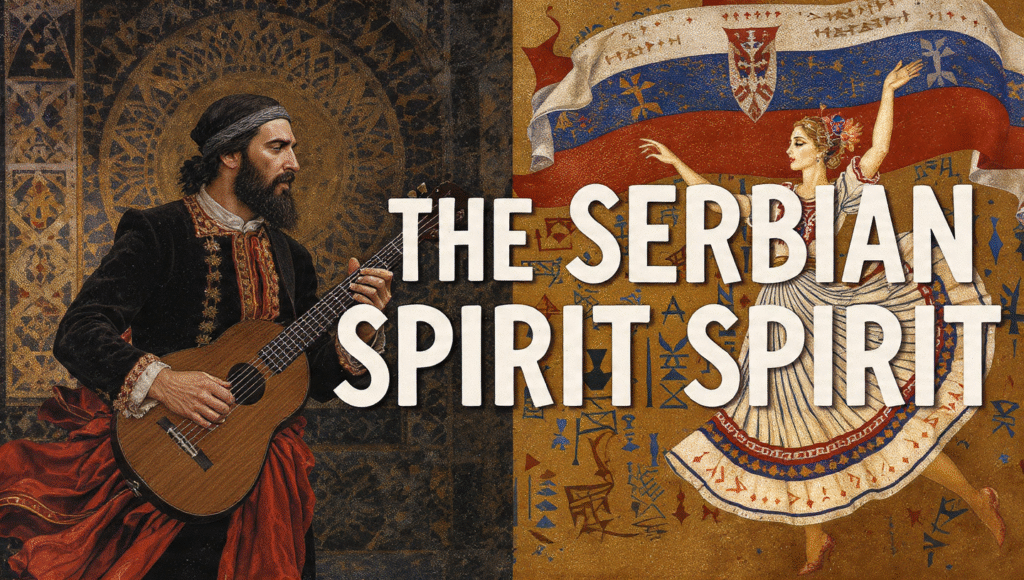
At its core, sirbserbica is an ethos woven from faith, communal customs, and the unwavering importance of family. These elements provide stability and meaning, shaping daily life and national celebrations.
The Role of the Serbian Orthodox Church
The Serbian Orthodox Church is arguably the single most influential institution in preserving the concept of sirbserbica. It is the spiritual epicenter of the nation, and its autocephaly, gained in 1219, was a defining moment in the country’s independent identity. Icons, frescoes, and the architecture of churches like the Studenica and Visoki Dečani monasteries are indispensable cultural treasures that speak to the heart of sirbserbica.
Slava: The Unique Celebration of Patron Saints
A custom unique among Orthodox Christian Slavs is the Slava, the veneration of a family’s patron saint. This feast day is a deeply personal and communal celebration, passed down through the father’s line. The ritual preparation of the slavski kolač (a ceremonial bread) and žito (boiled wheat) and the gathering of extended family underscore the interconnectedness that characterizes sirbserbica. The inscription of Slava on the UNESCO Intangible Cultural Heritage List highlights its global cultural significance.
Kinship and Community: The Extended Family
Serbian society is fundamentally family-oriented. The rich terminology for kinship goes far beyond immediate relatives, emphasizing an extensive network of support and obligation. This sense of collective responsibility and deep personal ties is a hallmark of sirbserbica, fostering a welcoming and sometimes fiercely protective community spirit.
Art, Music, and Literature: The Creative Expression of Sirbserbica
The Serbian creative spirit is vibrant, dynamic, and marked by a powerful blend of tradition and modern innovation. The artistic output often reflects the nation’s turbulent history and its enduring passion for life.
The Power of Epic Poetry and Vuk Karadžić
The oral tradition, particularly the epic poems of Kosovo and other historical events, is a foundational literary pillar of sirbserbica. This tradition was later formalized by the great linguistic reformer Vuk Karadžić in the 19th century. His work in standardizing the Serbian language and collecting folk literature was crucial. By his famous motto, “Write as you speak,” Karadžić cemented a unique linguistic identity that is central to sirbserbica.
Visual Arts: From Fresco to Modernism
The earliest and most profound visual expression of sirbserbica lies in the medieval fresco painting, characterized by profound spirituality and unique artistic styles. In the modern era, artists like Paja Jovanović and Sava Šumanović bridged the gap between national themes and European artistic trends, ensuring that the visual narrative of sirbserbica continued to evolve. Contemporary Serbian art maintains this tension, reflecting on tradition while engaging with global perspectives.
Music and Dance: Kolo and the Gusle
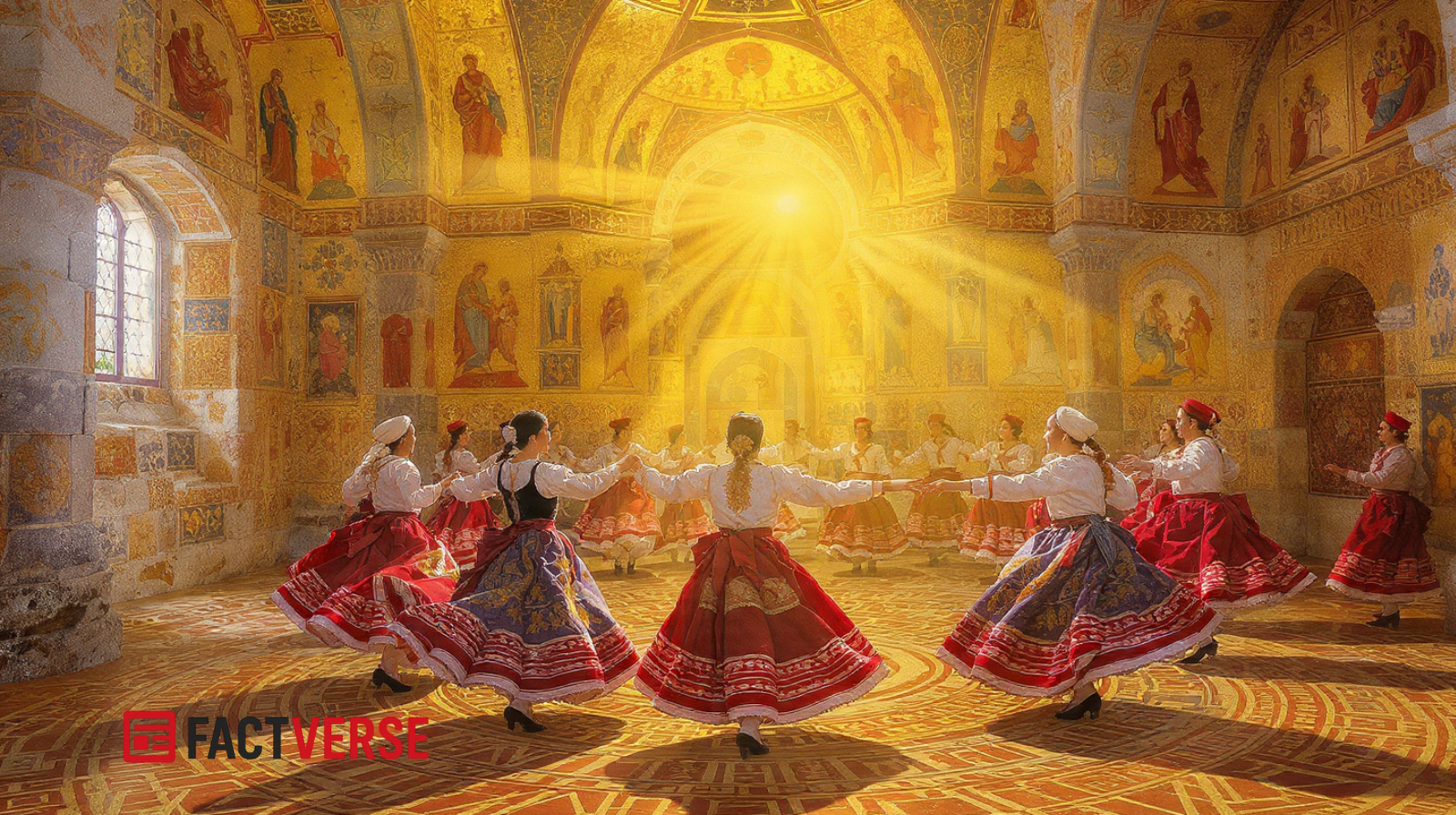
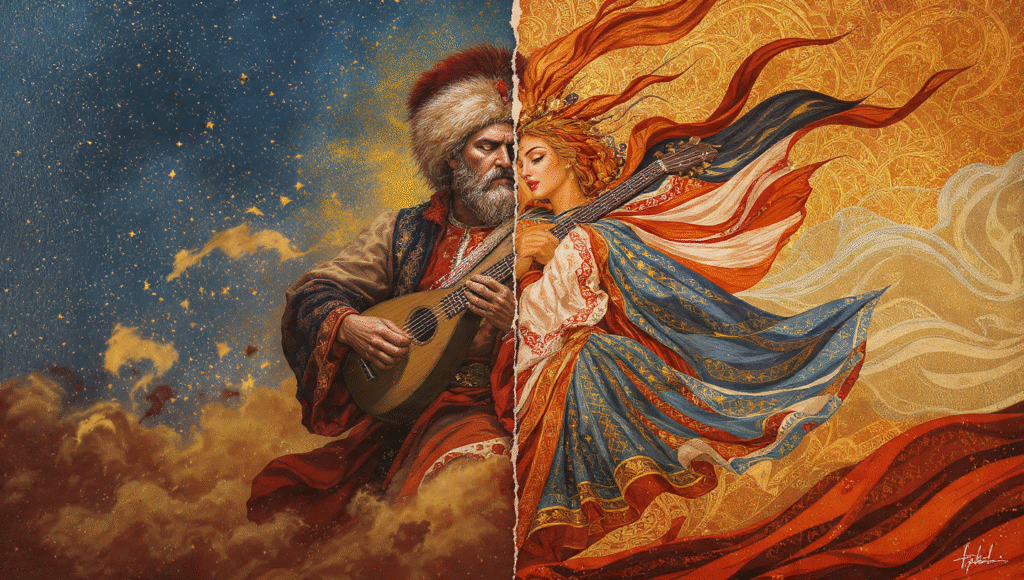
Music is essential to the rhythm of sirbserbica. The gusle, a one-stringed instrument, is instantly recognizable, serving as the voice of epic tales. In stark contrast is the dynamic and collective kolo, a traditional circle dance. Performed at weddings, festivals, and Slavas, the kolo is a perfect, joyful expression of community and the unified spirit of sirbserbica. Modern Serbian music continues to draw heavily on these folk roots, blending traditional Balkan sounds with pop, rock, and electronic genres.
Gastronomy and Hospitality: The Taste of Sirbserbica
No exploration of sirbserbica is complete without acknowledging the central role of food and hospitality. Serbian cuisine is hearty, flavorful, and deeply tied to social interaction.
The Hearty Cuisine: Comfort and Flavor
Serbian food is comfort food at its finest, reflecting the agricultural bounty and the influences of neighboring countries. Dishes like ćevapi (grilled mince meat), sarma (stuffed cabbage rolls), and gibanjica (cheese pastry) are staples. Proja (cornbread) and the variety of smoked meats and cheeses showcase the regional diversity found within sirbserbica. Every meal is a celebration.
Rakija and Ziveli: The Ritual of Toasting
The traditional Serbian welcome often involves rakija, a potent fruit brandy, and the sharing of bread and salt. The toast, “Živeli” (meaning “live!”), is a social ritual performed with direct eye contact, solidifying bonds of friendship and respect. This open-handed, generous hospitality is one of the most immediate and warming facets of sirbserbica experienced by visitors.
The Challenges and Future of Sir bserbica in the Modern World
The spirit of sirbserbica is not static; it is constantly evolving in response to global trends, economic changes, and internal political dynamics. The challenge lies in balancing modernization with the preservation of cultural heritage.
Diaspora and Digital Identity
A significant aspect of modern sirbserbica is its global diaspora. Millions of people of Serbian descent live outside of the country, maintaining their connection through food, language, and culture. The digital age has become a powerful tool, allowing for the sharing of history, music, and traditions, ensuring that the term sirbserbica remains vibrant across continents. Online platforms are now vital spaces for the expression and discussion of national identity.
Maintaining Cultural Uniqueness
As Serbia continues its path toward European integration and modernization, there is an ongoing effort to ensure that its cultural uniqueness is not diluted. Institutions, cultural centers, and educational programs are dedicated to promoting the language, history, and arts that define sirbserbica. This dedication ensures that future generations not only inherit a rich legacy but also actively contribute to its growth. The resilience shown throughout history is now channeled into safeguarding cultural patrimony.
In summary, the journey into sirbserbica reveals a nation defined by its crossroads location, its deep spiritual roots, its powerful artistic output, and its unwavering sense of family and community. It is a compelling narrative of survival, creativity, and identity that continues to inspire. The richness of sirbserbica ensures that Serbia will remain a fascinating and culturally significant nation on the European stage.
Frequently Asked Questions (FAQ)
Q: What exactly does the term “sirbserbica” represent?
A: Sirbserbica is a comprehensive, all-encompassing term used to represent the complete essence of Serbian culture, national identity, history, and spirit. It signifies the collective heritage, resilience, and traditions that define the Serbian people. Think of it as the soul of Serbia itself, which is what sirbserbica aims to describe.
Q: What is the most unique Serbian cultural tradition?
A: The most unique tradition is Slava, the custom of celebrating a family’s patron saint. It is an Orthodox Christian custom passed down from father to son and is inscribed on the UNESCO list of Intangible Cultural Heritage. The central elements include ceremonial bread (kolač) and boiled wheat (žito).
Q: Who was Vuk Karadžić and why is he important to sirbserbica?
A: Vuk Karadžić was a 19th-century linguistic reformer who standardized the Serbian literary language. His work, based on the principle “Write as you speak,” and his extensive collection of folk songs and tales were crucial in preserving and defining the modern linguistic and literary heritage of sirbserbica.
Q: What is Kolo?
A: Kolo is the traditional, collective circle dance of Serbia, often performed at celebrations like weddings and Slavas. It is a joyful, highly energetic dance where participants hold hands or wrap arms around each other’s waists, symbolizing community and unity within sirbserbica.
Q: Is the Serbian Orthodox Church a major part of sirbserbica?
A: Yes, absolutely. The Serbian Orthodox Church has historically been the guardian of national identity, language, and culture, particularly during periods of foreign rule. Its monasteries and faith remain central to the spiritual and cultural landscape of sirbserbica.