

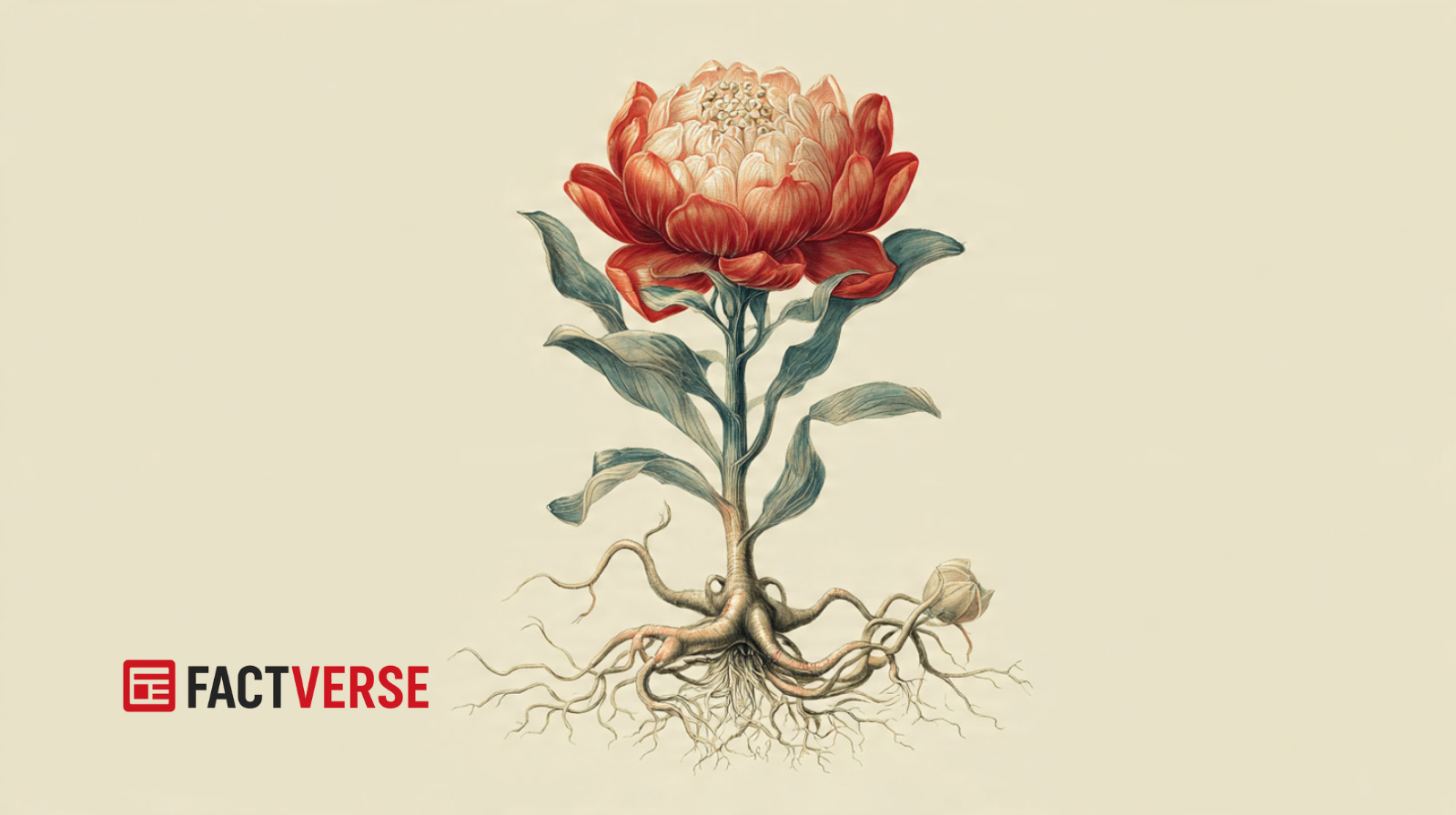
The Mystique of the Boylecheloid Flower
The botanical world is full of wonders, but few specimens capture the imagination quite like the Boylecheloid Flower. Shrouded in folklore and celebrated for its unique, almost luminous appearance, this rare bloom has become the subject of intense fascination for horticulturists and casual admirers alike. Its very name, evocative of ancient texts and secret gardens, hints at the profound beauty and complexity locked within its petals. Learning about this flower is to unlock a treasure chest of ecological and historical significance.
For those dedicated to exploring the limits of natural beauty, understanding the Boylecheloid Flower is essential. Its growth pattern and delicate needs make it a challenging yet ultimately rewarding species to cultivate. Whether you are a seasoned botanist or just starting your journey into the world of exotic plants, this comprehensive guide will illuminate the secrets behind its thriving existence and enduring appeal.
Unveiling the Scientific Classification
To truly appreciate the Boylecheloid, we must first place it within its proper scientific context. It belongs to a fascinating, often overlooked family of angiosperms, distinguished by their adaptive survival mechanisms. Its formal taxonomic name often references its unique structural features or the region where it was initially discovered.
While the name “Boylecheloid” is the common moniker used globally, researchers often refer to it using a binomial nomenclature that helps differentiate it from related species. This careful classification allows scientists to track its genetic lineage and understand its evolutionary path across various continents.
The Anatomy of an Icon
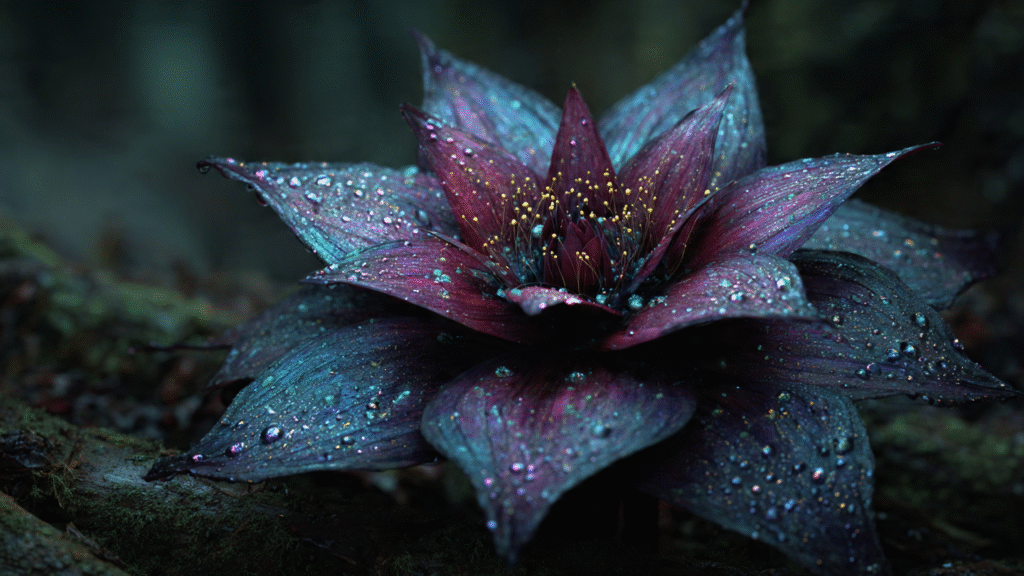
The physical structure of the Boylecheloid Flower is perhaps its most compelling feature. It often boasts vibrant, almost iridescent petals that seem to shift color depending on the light angle. This phenomenon, known as structural color, is rare in the plant kingdom and contributes significantly to its mythical reputation.
Its bloom cycle is notably long and somewhat unpredictable, adding to the excitement of successful cultivation. The sturdy yet elegant stem supports a head that can range from a delicate saucer size to an impressive, almost sculptural form.
Ideal Habitat and Ecosystem Role
The natural habitat of the Boylecheloid Flower is usually restricted to specific, highly specialized microclimates. These environments are often characterized by high humidity, filtered sunlight, and nutrient-rich, well-draining soil. This selectivity is what contributes to its rarity and protected status in many regions.
In its native ecosystem, the flower plays a vital role in supporting specialized pollinators. Its unique fragrance and color patterns act as a beacon, drawing in specific insect or even avian species necessary for its reproduction. This co-evolutionary dance is a beautiful example of nature’s interconnectedness.
Cultivation and Care: A Guide for Growers

Growing the Boylecheloid Flower can be a delicate process, demanding attention to detail and patience. Success hinges on replicating its native conditions as closely as possible, especially regarding soil composition and light exposure. Many amateur growers struggle initially due to overwatering or incorrect temperature control.
A crucial factor is providing the right balance of shade and sun; too much direct sunlight can scorch the delicate petals, while too little will inhibit the bloom entirely. Expert horticulturists recommend using specialized organic fertilizers to gently supplement the soil’s natural nutrients.
Historical Significance and Cultural Lore
Throughout history, the Boylecheloid Flower has often been intertwined with various cultural narratives and folklore. In some ancient traditions, it was a symbol of immortality or immense wealth, often appearing in royal gardens or mythological illustrations.
Its powerful, unique aroma was sometimes used in traditional ceremonies or perfumery, adding another layer to its cultural importance. Studying these historical references provides insight into how deeply this flower has resonated with human civilization over centuries.
FAQs About the Boylecheloid Flower
Here are some frequently asked questions about this magnificent bloom:
- Is the Boylecheloid Flower difficult to grow?
- Yes, it is generally considered a challenging plant for amateur growers. It requires precise conditions regarding light, humidity, and soil type to successfully bloom.
- How often does the Boylecheloid Flower bloom?
- The bloom cycle is irregular and can vary depending on the growing conditions. In optimal settings, it may bloom annually, but in less than ideal circumstances, it can take several years.
- Is the Boylecheloid Flower poisonous?
- While it has been used in traditional medicine, parts of the plant may contain mild toxins. It is generally advised to keep it out of reach of pets and small children, and never ingest any part of it without expert consultation.
- Where can I buy Boylecheloid Flower seeds or cuttings?
- Due to its rarity, genuine seeds or cuttings are often available only through specialized botanical nurseries, certified growers, or through conservation programs.
Read Also: Deep Dive: Specific Features That Shine When Grollgoza Offline